Protecting Casino Login Details: A Practical Security Guide
Keeping an online gambling account secure starts with protecting the details used to enter it and recover access. For readers considering Crowngreen, that means treating an email address, password and recovery code as private security credentials rather than routine form information. The available material describes email-and-password sign-in and a reset process using a six-digit code, but it does not establish every current security feature. Check the live terms and account interface, and use sensible precautions before sharing personal or payment information.
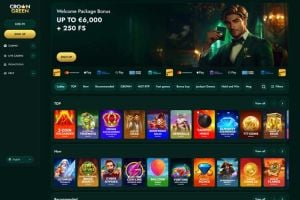
Why login details deserve more care than usual
A casino account can contain more than a username and password. It may be connected to identity documents, payment records, transaction history, bonus balances and messages from support. If someone gains access, they may be able to view personal information, change account settings, request a password reset or attempt activity that creates a dispute later. Even where withdrawals require further checks, unauthorised access can still expose sensitive data and cause considerable inconvenience.
The email address used for sign-in is particularly important because it may also receive recovery links or one-time codes. Anyone who controls both the account password and the email inbox has a much stronger chance of taking over the account. Protect the email account with its own strong, unique password and any multi-factor authentication offered by the email provider. Do not assume that securing the casino password alone is enough.
There is also a jurisdiction and eligibility issue. The published material is inconsistent about whether New Zealand users are accepted, so account security should not be treated as proof that registration or play is permitted. Before entering personal details, read the current terms and check the live registration controls. Security precautions protect information; they do not confirm that an account is available, lawful or suitable for a particular user.
Build a password that cannot be reused elsewhere
Use a long, unique password for the account. A memorable passphrase made from several unrelated words can be easier to manage than a short collection of symbols, provided it is not based on a name, birthday, address, favourite team or predictable phrase. Avoid using the same password for email, banking, shopping, social media and gambling accounts. Reuse creates a chain reaction: a breach on one unrelated website can expose the account elsewhere.
A password manager can generate and store a different password for every service. This reduces the temptation to write credentials in an unprotected notes app or reuse a familiar password. Choose a reputable manager, protect it with a strong master password, and keep recovery information somewhere secure. If a manager is not practical, record the password offline in a private place rather than saving it in a shared browser profile or sending it to yourself in an ordinary message.
Never disclose a password to support staff, another player, a friend or someone claiming to represent the operator. Legitimate support should not need to know the secret used to sign in. Be wary of messages asking you to “confirm” a password, payment information or recovery code. A professional-looking logo, urgent wording or a familiar name does not prove that a message is genuine. Navigate to the known website independently instead of following an unexpected login link.
Handle reset codes and recovery requests carefully
The described recovery process asks the user to submit an email address, receive a login or reset code, and enter a six-digit code. Treat that code like a temporary password. Do not forward it, dictate it over the phone or enter it into a page reached through an unsolicited message. If you did not request a reset, do not use the code; instead, change the relevant email password and investigate whether someone is attempting to access the account.

When a reset is necessary, check the address bar carefully and confirm that the page is the genuine service you intended to visit. Look for unusual spelling, extra words, misleading subdomains and requests for information that the normal recovery process does not require. A padlock alone is not proof of legitimacy, because fraudulent websites can also use encrypted connections. If in doubt, close the page and reach the service through a saved bookmark or a manually entered address.
After recovering access, review the account for changes you did not make. Check the email address, personal details, payment settings, transaction history, active sessions and any available security settings. If the service provides a sign-out-all-devices option, use it after suspected compromise. Do not create a second account to bypass a login problem: the published terms state that multiple accounts are prohibited, and doing so may create additional verification or account-ownership complications.
Spot phishing before it reaches your account
Phishing messages often imitate account warnings, withdrawal notices, verification requests or promotional alerts. Common pressure tactics include claims that access will be suspended immediately, a payment is waiting, or a document must be uploaded within minutes. Attackers want a rushed decision. Pause and ask whether you initiated the contact, whether the message uses your expected name and whether the requested action makes sense.
Inspect the sender and destination without trusting display names. A message can appear to come from a familiar brand while using a different address, and a shortened link can conceal its destination. Do not upload identity documents through an unfamiliar form. Verification may sometimes be requested by an operator, but the precise document requirements and approved submission route should be confirmed through the official account area or established support channel.
New Zealand readers can consult CERT NZ’s online security guidance for general advice on scams, compromised accounts and protecting personal information. It does not confirm the security of any particular gambling service, nor does it replace checking the operator’s current terms. Its broader value is helping users recognise common attack patterns that apply across banking, shopping, email and entertainment accounts.
Respond quickly if access looks compromised

Warning signs include an unexpected reset email, a changed password, unfamiliar account activity, altered contact details, missing messages or notifications about payments you did not make. A login alert from an unknown device is also worth investigating, although alerts may not be available on every service. Save relevant messages and note dates, times and actions taken. Clear records can help when communicating with support or a payment provider.
Secure the email account first if you suspect it has been exposed. Change its password from a trusted device, sign out of unfamiliar sessions, review forwarding rules and activate multi-factor authentication where available. Then change the casino account password to a new one that has never been used elsewhere. If payment details may have been accessed, contact the bank or payment provider through its official number and follow its advice.
Contact support using a channel found through the genuine website or account area, not a reply address supplied in a suspicious message. Explain what happened without sending your password or full payment credentials. Ask what evidence is required and whether the account can be temporarily restricted while it is reviewed. If recovery fails, follow the stated verification route rather than opening another account. Keep checking statements and inboxes afterwards for further unusual activity.
Questions about keeping login access secure
Should the casino password match my email password?
No. Use separate passwords for the gambling account and the email address linked to it. If one password is exposed through a data breach or phishing attack, unique credentials prevent the attacker from immediately entering the other account and intercepting reset messages.
What should I do with an unexpected six-digit code?
Do not enter, share or forward it. An unexpected code may indicate that somebody has requested a reset using your email address. Secure the email account, change relevant passwords and contact support through the genuine website if the activity continues or access has changed.
Can I create another account if recovery stops working?
No. The available terms prohibit multiple accounts, so a second registration could create further account and verification problems. Use the published recovery or support process instead, and provide only the information requested through an authenticated, trustworthy channel.